All articlesGeneral
Ransomware Alert: Current Threats Targeting Australian Small Businesses (Mid-2026 Update)
3 August 20264 min readBy Omnicron Team
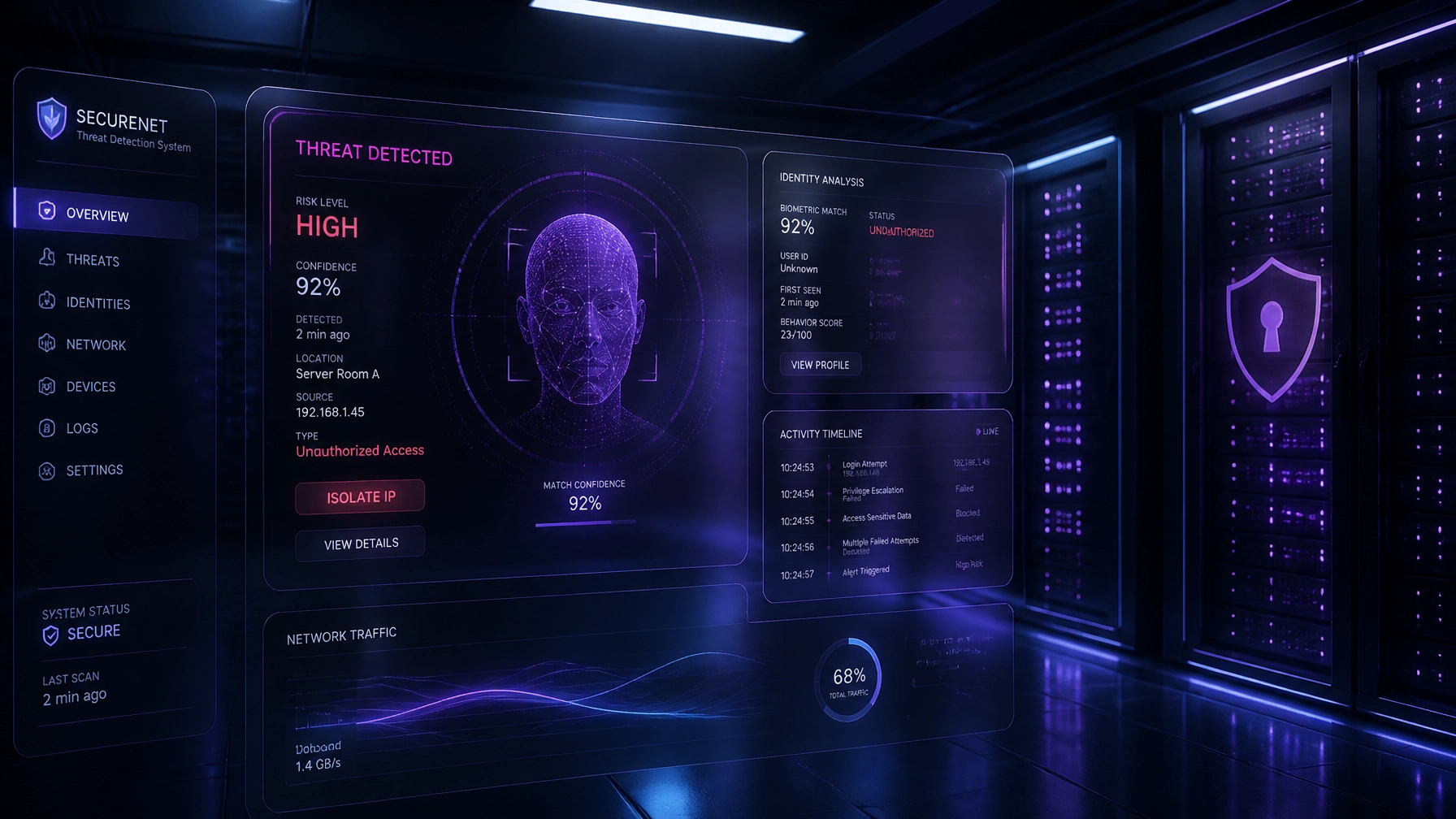
Ransomware Alert: Current Threats Targeting Australian Small Businesses (Mid-2026 Update)

The Australian Cyber Security Centre (ACSC) has issued urgent advisories regarding a significant escalation in targeted ransomware campaigns across Australian industries. Mid-2026 data indicates that small and medium-sized enterprises (SMEs): particularly those in sensitive sectors such as legal practices, medical clinics, accounting firms, and financial services: face heightened vulnerability from sophisticated extortion syndicates.
For business leaders seeking robust cybersecurity for small business Australia solutions, understanding these evolving attack vectors and implementing structured defenses is no longer optional. This threat intelligence briefing examines current campaign trends, official ACSC guidance published on cyber.gov.au, and actionable steps to safeguard your operational continuity.
Recent threat intelligence highlights two primary vectors currently exploited by cybercriminals targeting Australian corporate networks:
Affiliate-Driven Extortion Models (e.g., INC Ransom): Collaborative threat groups continue to infiltrate corporate perimeters via compromised credentials and unpatched perimeter devices. Once inside, they deploy advanced encryption tools and exfiltrate sensitive client records, threatening public leaks unless exorbitant ransoms are paid.
Perimeter and CMS Exploitations: Large-scale campaigns targeting internet-facing website Content Management Systems (CMS), plugins, and remote access gateways (such as firewall and VPN appliances) allow attackers to install web shells, establish persistent backdoors, and pivot laterally into internal corporate infrastructure.
SMEs frequently assume they are too small to attract sophisticated actors. However, automated scanning tools make targeting indiscriminate. Professional services holding confidential client documentation or healthcare providers managing patient records are prime targets due to the high operational disruption caused by system lockouts.

The Australian Signals Directorate’s (ASD) ACSC maintains continuous 24/7 watch over national threat vectors, providing critical advisories via cyber.gov.au. When evaluating cyber threat protection for SMEs, organizations must align their internal controls with national security baselines.
Australian government policy, reinforced by ACSC advisories, firmly advises against paying ransoms. Payments fuel criminal ecosystems, provide zero guarantee of data recovery, and frequently mark the victim organization for repeat extortion.
Under federal legislation, businesses with an annual turnover of $3 million or more: alongside designated critical infrastructure entities: must report any ransomware or cyber extortion payment made by or on behalf of the business. Notifications must be submitted to the ASD within 72 hours of making or becoming aware of the payment, with substantial civil penalties for non-compliance.
To mitigate the impact of contemporary ransomware variants, organizations must transition from reactive troubleshooting to a proactive defense posture.
Compromised credentials remain the primary entry point for attackers. Mandating phishing-resistant MFA across all corporate logins, remote desktop gateways, email accounts, and administrative consoles halts the vast majority of brute-force and credential-stuffing attempts.
Standard cloud sync or local backups connected directly to the primary network are routinely targeted and encrypted by ransomware. Organizations must implement immutable backups: copies that cannot be altered or deleted for a set retention period: stored securely offsite or offline. Regular recovery drills ensure that data can be restored rapidly without yielding to extortion demands.

Traditional signature-based antivirus solutions are insufficient against fileless malware and zero-day exploits. Modern Endpoint Detection and Response (EDR) agents provide continuous behavioral monitoring, instantly isolating infected workstations before lateral movement occurs across the network.
Vulnerability scanning and rapid patching of internet-facing firewalls, VPNs, operating systems, and third-party software eliminate known exploitation pathways. Prioritizing perimeter assets minimizes the risk of unauthorized entry.
Employees remain the frontline defense. Ongoing, practical security awareness training ensures staff can identify sophisticated phishing pretexts, urgent wire-transfer requests, and anomalous communication patterns before clicking malicious links.
If your organization suspects a security breach or active ransomware encryption, immediate, disciplined action is vital:
Isolate Immediately: Disconnect affected devices from the local network and disable Wi-Fi/Bluetooth. Do not power off the machine, as volatile memory holds critical forensic artefacts.
Preserve Evidence: Retain system logs, ransom notes, and network traffic data for investigation.
Engage Professionals: Notify your internal IT support or managed service partner immediately.
Report via ReportCyber: Submit an official report through the ACSC’s ReportCyber portal or contact the Australian Cyber Security Hotline at 1300 CYBER1 for expert guidance.
Navigating the complexities of modern cyber threats requires constant vigilance, specialized technical expertise, and proactive monitoring. At Omnicron, our local Australian support team provides comprehensive security solutions designed specifically to protect Victorian small and medium-sized businesses.
Through our Security Review, we identify hidden vulnerabilities across your infrastructure before threat actors can exploit them. Our continuous Managed Services combine real-time threat detection, advanced EDR, and rigorous patch management to ensure your operations remain secure and resilient.
Protect your business assets today. Contact our team to discuss a customized security assessment and secure your digital environment.
Book a free security check and we'll show you where your business stands clear next steps, no jargon, no obligation.
Or explore our free security tools — 30+ scanners, checkers and assessments, free with an account.